

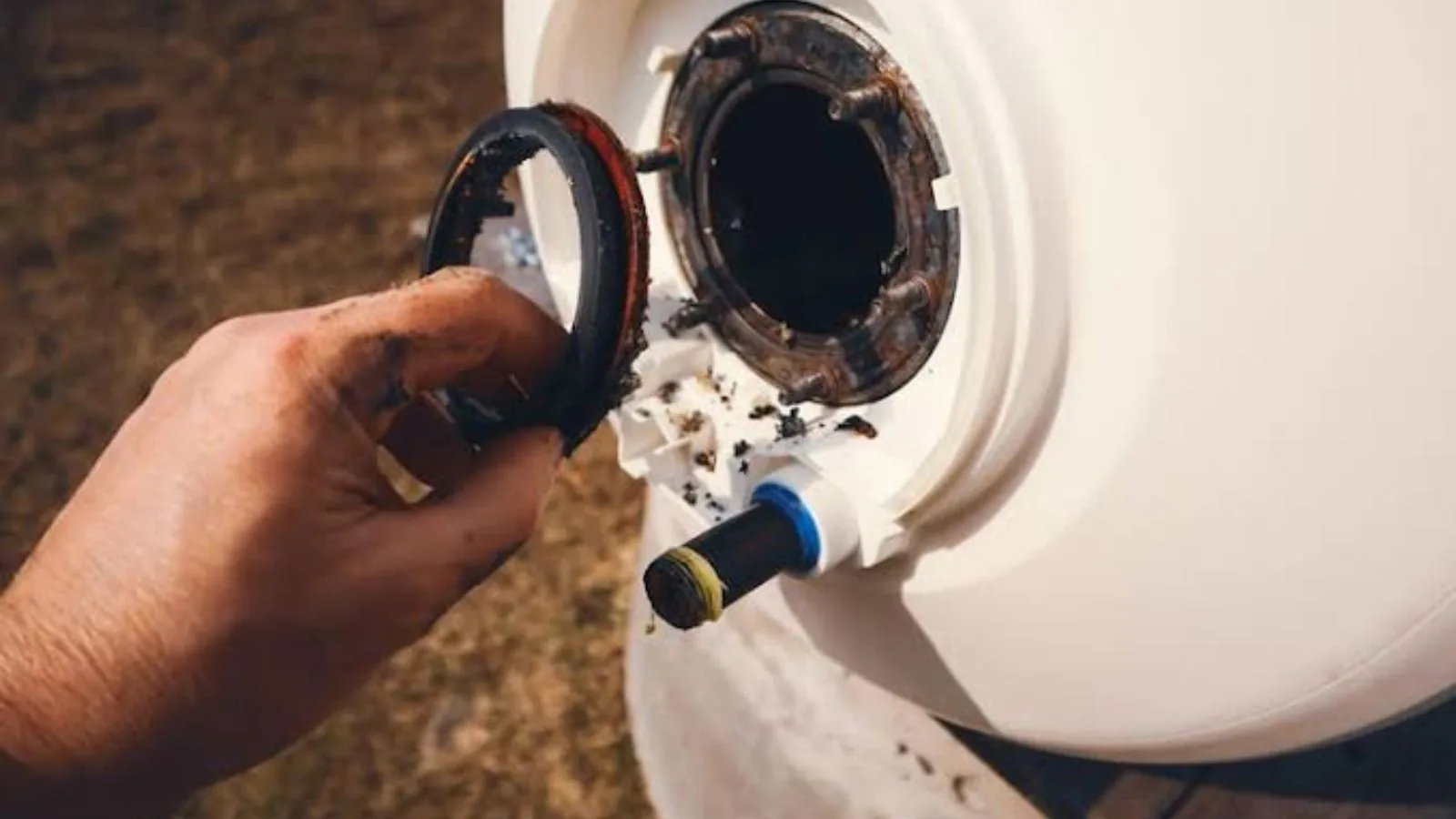
How water heater leaks start
A standard tank holds dozens of gallons. When the tank corrodes through or a fitting fails, that stored water can spill across the floor in minutes, and the cold supply keeps refilling the tank, which keeps the leak going. A slow leak at a valve or fitting can run for weeks before anyone sees a stain.
This page covers the water damage. A licensed plumber repairs or replaces the heater. We start once the supply is off and the unit is safe, and our job is removal, cleanup and drying.
When a water heater leak is an emergency
A tank that is gushing or flooding a utility room needs action now. A slow drip is less urgent, but a puddle that grows is a sign that the tank is failing. Call at any hour and say where the unit is.
Gas units add a risk. If you smell gas, leave the house and call the gas utility or 911 before anything else. Do not touch switches near wet electrical controls. Shut off power only if the area around the panel is dry.
Water still spreading?
The dispatch line answers 24 hours a day. Call and describe what you see.
Shut-off steps for the unit
Know the three shut-offs before an emergency. The order matters for safety.
- Step 1
Turn off the energy
Switch the breaker off for an electric heater or turn the gas control to pilot or off. Do this only if the area around the controls is dry.
- Step 2
Close the cold supply
Find the shut-off valve on the cold pipe above the tank and turn it clockwise. If the valve is stuck, close the main house valve instead.
- Step 3
Open a hot tap
Open a hot faucet somewhere in the house so the tank and lines can drain safely.
- Step 4
Call for cleanup
Describe where the unit is and what rooms the water has reached.
Where water goes from a water heater
Heaters sit in garages, closets, basements and utility rooms, and the surrounding finish matters. A garage slab dries quickly once water is extracted. A closet with carpet, a laundry room with vinyl or a basement with finished walls holds water longer.
Water that reaches baseboards wicks upward into drywall. Cabinets and shelving near the unit absorb water into their bases. The crew checks these edges with moisture meters even when the floor looks clean.
Cleanup and drying
The first step is extraction of standing water. See water extraction for the equipment used. After that the crew maps moisture in walls, the bottom plate and subfloor, then sets drying equipment.
If the tank has been leaking slowly, expect more damage than the surface suggests. Rusty residue, warped trim or soft drywall at the base are signs that the leak ran for a while. These materials are often removed rather than dried.
Insurance notes
Sudden water heater failure may be covered by homeowner policies while long-term seepage often is not. The Oregon Division of Financial Regulation suggests that you read your policy and ask your insurer, and that you weigh a claim against your deductible. Keep the failed unit or take clear photos of the model plate and the failure point.
Cost factors for water heater cleanup
What drives the price:
- The volume of water released and the floor type.
- Whether the water reached finished rooms.
- Drywall and trim that must be removed.
- How long the leak ran before discovery.
- Days of drying.
Scope and price are explained before work starts.
Common questions
Do you handle water heater leak emergencies at night or on weekends in Beaverton?
Yes. Tanks fail at night and on weekends as often as any other time. The line answers around the clock. Close the cold supply to the tank and call.
Should I turn off the power or gas first?
Turn off power or gas only if the area around the controls is dry. If the area is wet, close the water supply and call the line for guidance.
Is a small puddle under the heater a problem?
It can mean the tank is starting to fail. Moisture can run for a long time without a visible stain, so have the area checked.
Will the floor dry by itself?
Hard surfaces may, but baseboards, walls and cabinets usually keep moisture and need equipment.
Do you replace the water heater?
No. A licensed plumber replaces the unit. We handle the cleanup and drying of the water damage.
Call (833) 521-1033 for a water heater loss. If the leak started from a washer, dishwasher or other appliance, see appliance leak water damage. For a leak that came up through the floor, see slab leak water damage.