

What structural drying is
Structural drying, also called water mitigation, removes moisture from the building after the standing water is gone. It targets framing, subfloor, drywall, plaster and masonry. The goal is to reach a dry standard so that materials stop deteriorating and mold has nothing to feed on.
ANSI/IICRC S500 describes the method. It starts with water source and category, moves through moisture mapping and drying plan, and ends with verification. The same logic applies to a washing machine overflow and to a storm loss.
The equipment and what each piece does
Drying is physics. The equipment moves water from materials into air and then removes it from the air.
Air movers
High-velocity fans aimed at wet surfaces. They sweep moisture off the material and into the room air.
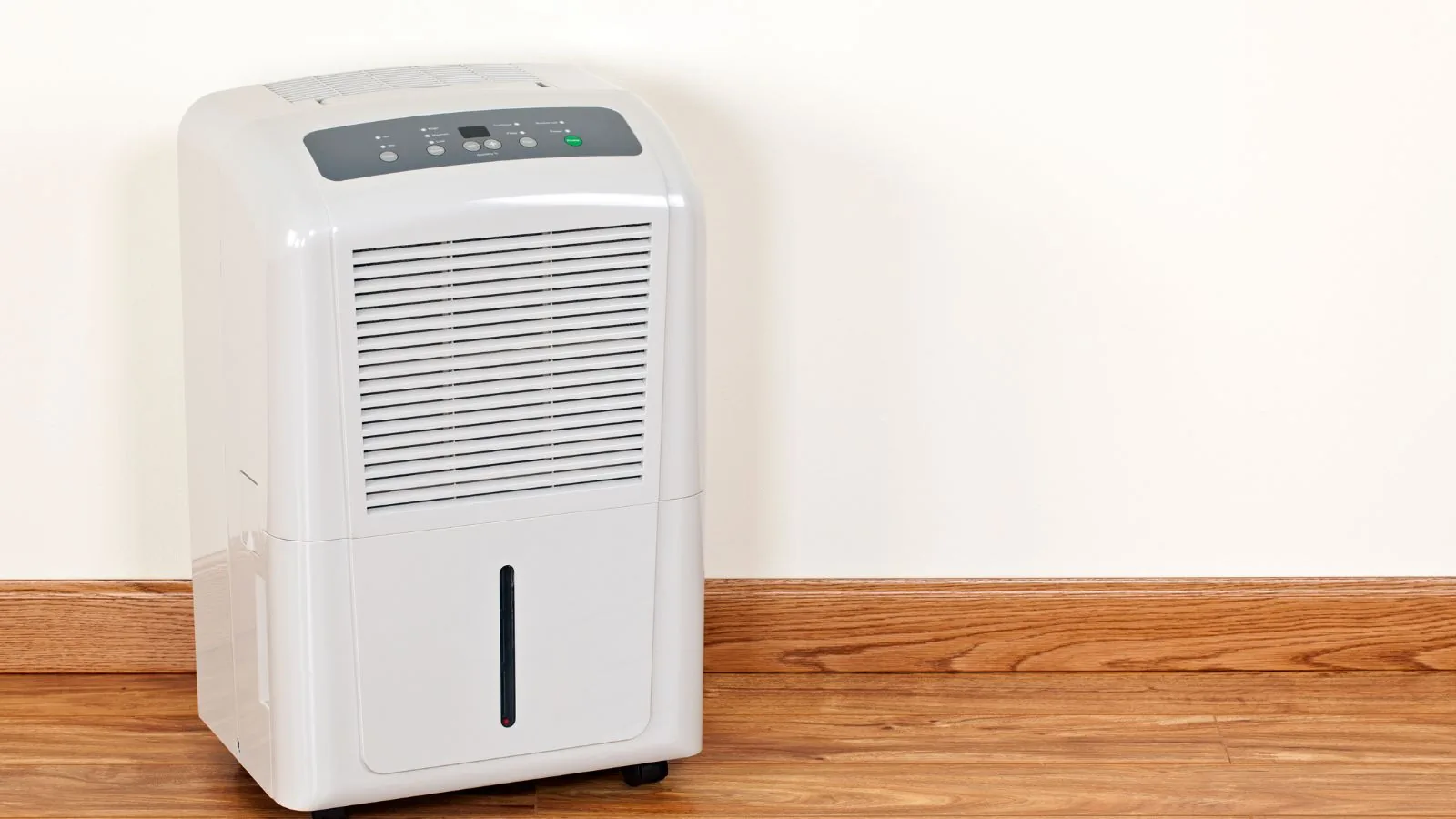
Dehumidifiers
Low-grain refrigerant and desiccant units pull moisture out of the air so the air can absorb more.
Moisture meters
Pin and pinless meters read how much water the wood, drywall or concrete is holding.
Thermal camera
Shows temperature differences that often mark wet areas behind finished surfaces.
Water still spreading?
The dispatch line answers 24 hours a day. Call and describe what you see.
Moisture mapping
Mapping is the first drying step. The crew reads a grid of points across floors and walls and marks the wet area. The map shows where water went that the eye did not see. It sets the equipment plan and a baseline for later readings.
A dry reference reading is taken from an unaffected area of the same material. That reference gives the target for each material. Wood, drywall and concrete have different dry values, so one number does not apply to the whole house.
A typical drying schedule
Visits follow a pattern.
- Day 0
Set up
Standing water is removed. Equipment is placed and the starting readings are recorded.
- Day 1 to 2
Check and adjust
Readings are repeated. Equipment is moved to wet areas that are drying slowly.
- Day 3 to 4
Verify progress
Materials near dry targets are confirmed. Spots that lag are targeted.
- Final visit
Confirm dry
Readings reach the dry standard and equipment is removed.
These are patterns, not promises. Real timing depends on the materials, the water category and the weather. Concrete and thick framing take longer than drywall.
Why the weather matters
Beaverton gets a long wet season. Outdoor humidity is high from fall through spring, so opening windows can add moisture instead of removing it. Dehumidifiers work in a closed space to lower humidity in a controlled way.
That is why a closed structure with equipment dries faster than an open window in November. Operating the equipment takes electricity and noise. The crew will tell you what to expect.
Safety guidance while equipment runs
Drying equipment draws power and sits on wet floors. Do not move units, unplug them or stack items on them. Do not run extension cords through standing water. If a breaker trips, call the crew instead of resetting it repeatedly. Keep children and pets away from equipment, and tell the crew about any hazards you notice.
Cost factors for structural drying
What the price reflects:
- The number of rooms and cubic feet affected.
- Material types such as concrete, wood and plaster.
- The number of air movers and dehumidifiers needed.
- The days the equipment runs.
- Monitoring visits.
Scope and price are explained before work starts. If drying follows a burst line, see burst pipe water damage. After clean water from a failed appliance, see appliance leak water damage.
Common questions
How do you know the structure is dry?
With moisture meters. Readings are compared with a dry reference from the same material and recorded at each visit.
Can I dry a wet room with household fans?
Fans alone move moisture around but do not remove it from the air. A dehumidifier is needed to take water out of the room.
Why is equipment so loud?
Air movers and dehumidifiers are built to run continuously at high volume. The noise is the cost of fast, measured drying.
What if materials will not dry?
Some materials such as soaked insulation and soft drywall are removed instead of dried, so the rest of the structure can dry properly.
Do you rent out air movers and dehumidifiers?
No. The equipment is placed and monitored by the crew as part of a drying job. Drying time depends on the materials and how wet they got, so readings guide the plan. Many jobs take several days.
Call (833) 521-1033 for drying after any water loss. Our crews also serve Hillsboro and Portland. For the first step before drying, see water extraction.