

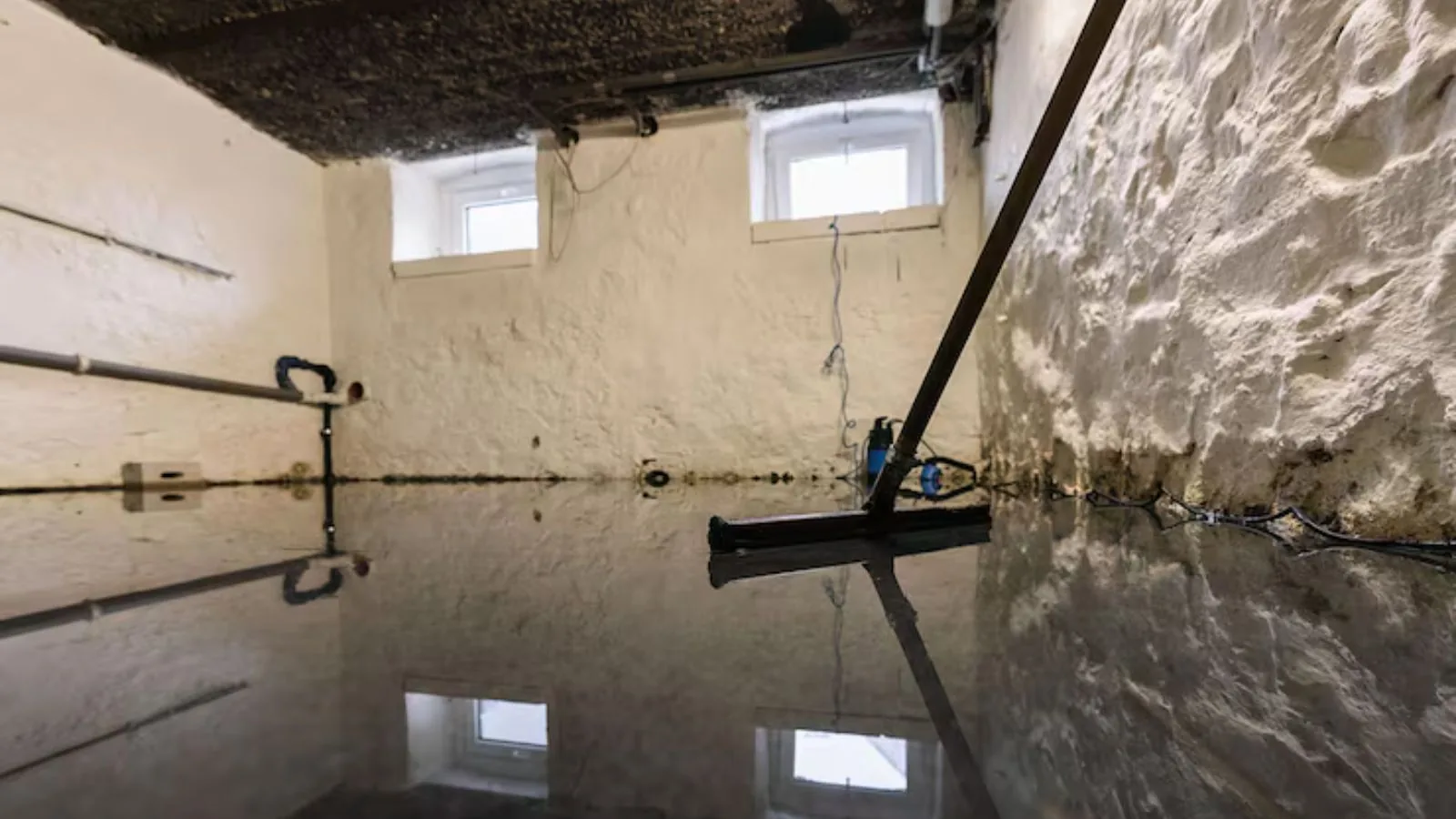
How floods differ from leaks
A leak starts inside the building and usually carries clean water. A flood starts outside. It arrives as river overflow, groundwater rising through the floor or surface runoff pushing under doors. It brings soil, debris and bacteria, and it can enter every room on the ground level or below at once.
That difference changes the work. Flood water is generally treated as Category 2 or Category 3 under ANSI/IICRC S500 water damage guidance, which means protective gear, careful removal of porous materials and disinfection of surfaces that stay.
When flood water is an emergency
Flood water from a river, a creek or the ground can carry soil, bacteria and chemicals. It can also hide hazards under the surface. Call as soon as you can do so safely, at any hour, and describe how high the water is.
If the water is near the panel, outlets or a gas appliance, do not enter. Call your electric or gas utility or 911 first. If local officials have asked residents to leave, follow their instructions before you try to protect belongings.
Water still spreading?
The dispatch line answers 24 hours a day. Call and describe what you see.
Flood history in Washington County
Washington County names the Tualatin River as its main flood concern. The county lists a record flood in February 1996, with other major events in December 2007, January 1974 and December 1933.
The National Weather Service records that rain fell February 5 to 9, 1996, and the Tualatin River at Farmington crested at 37.2 feet against a flood stage of 32.0 feet. Fanno Creek and its trail corridor also flood in heavy rain. Clean Water Services raised the Fanno Creek Trail under SW Scholls Ferry Road about 10 inches after repeated flooding, reported in September 2022.
You can look up your own address on the FEMA Flood Map Service Center. A home outside a mapped flood zone can still flood, so the map is a starting point and not a promise.
What the cleanup involves
Flood losses follow a sequence in which safety and contamination control come first.
- Step 1
Make the area safe
Power is confirmed off in wet areas. Crew members wear boots, gloves and respirators when water is contaminated.
- Step 2
Pump and extract
Water is pumped out gradually so that saturated ground outside does not push walls inward.
- Step 3
Remove porous materials
Carpet, pad, soft drywall and wet insulation that touched floodwater are removed and bagged.
- Step 4
Clean and disinfect
Hard surfaces and framing are cleaned and treated with disinfectants approved for the use.
- Step 5
Dry and verify
Air movers and dehumidifiers run until the structure meets its dry standard.
Flood insurance is separate from homeowner coverage
Most homeowner policies exclude flood. Oregon’s Division of Financial Regulation advises residents to check for a separate flood policy through the National Flood Insurance Program. The program’s number is 877-336-2627, and a new policy usually takes effect 30 days after purchase.
Groundwater seepage and sewer or drain backup are also generally excluded unless you bought an endorsement. If you have flood coverage, tell your insurer early and keep photos, receipts and a list of damaged items.
Cost factors for flood cleanup
Because flood losses vary widely, price depends on what the water touched.
- The height of the water and the square footage affected.
- Water category and the contaminants involved.
- How many materials must be removed rather than dried.
- The amount of cleaning and disinfection.
- Days of drying equipment on site.
Scope and price are explained before work starts. A restoration crew does not rebuild structures. Rebuild work such as new drywall, flooring and paint comes after drying is verified.
Common questions
Do you handle flood damage emergencies at night or on weekends in Beaverton?
Yes. Floods rarely arrive during office hours. The line answers at night and on weekends. Tell the dispatcher where the water came from and how high it is.
Is floodwater always dangerous?
Treat it as contaminated. It can carry sewage, soil and chemicals. Avoid contact, wear protective gear if you must enter and call for professional cleanup.
Does homeowners insurance cover flood?
Usually not. Flood coverage is typically a separate policy, such as one through the National Flood Insurance Program.
Can carpet exposed to floodwater be saved?
Generally no. Carpet and pad that soaked in contaminated water are removed because they cannot be cleaned reliably.
When can I go back inside?
When the water is out, power is verified safe and contaminated materials are removed. The crew will tell you which areas are ready.
Call (833) 521-1033 if floodwater has entered your Beaverton home. We also serve Hillsboro, which sits along the Tualatin River corridor, and Portland. For contaminated water from drains, read about sewage backup cleanup.