

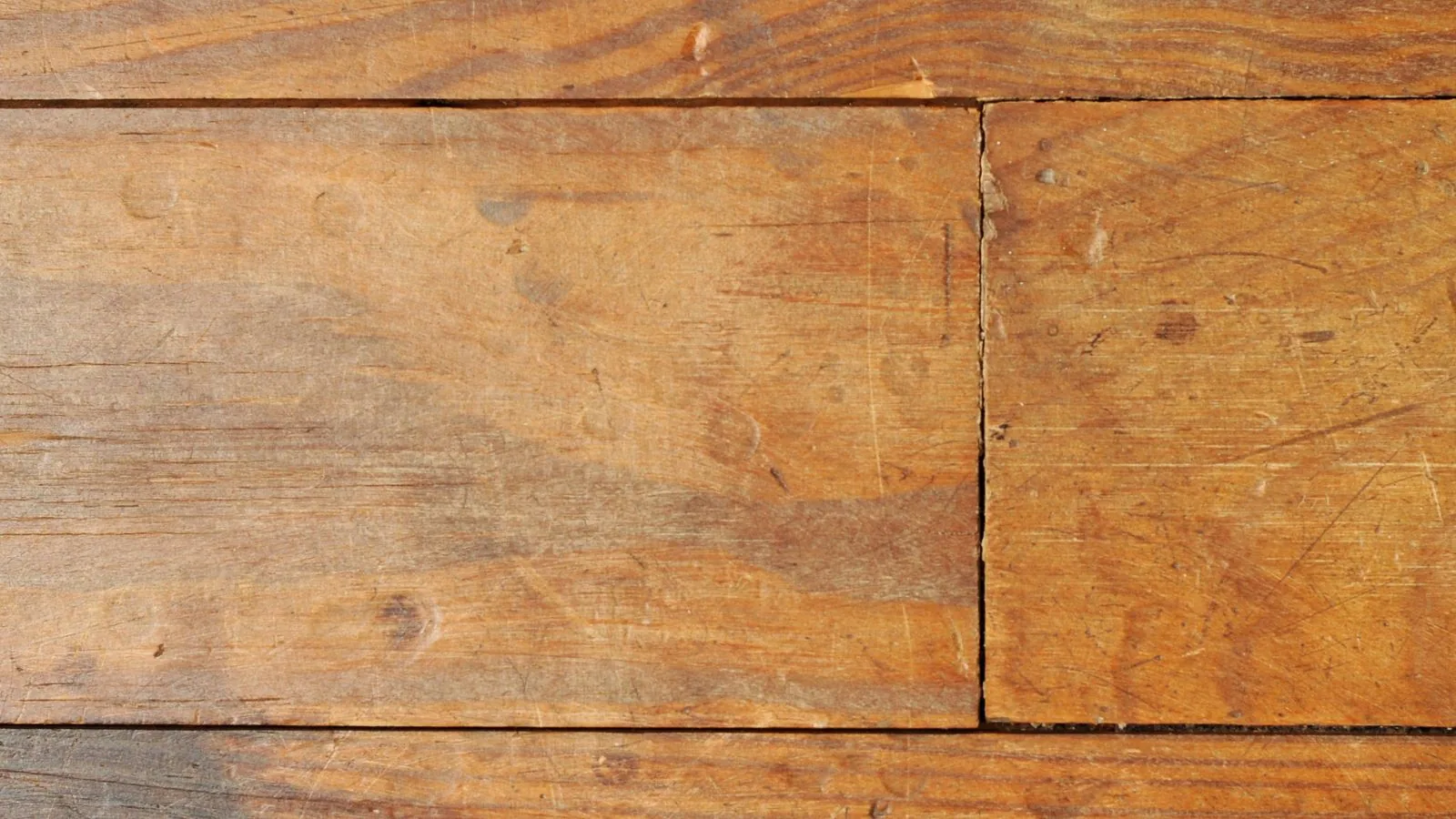
How wood floors react to water
Wood is hygroscopic, which means it takes on and gives off moisture with the air. When a floor is soaked, boards swell. Edges that absorb more than the center curl upward, which is called cupping. Boards that swell until they press against each other lift off the subfloor, which is called buckling.
The speed of drying matters. A floor that is dried within days can often return to a stable shape. A floor that stays wet for weeks may stain, grow mold underneath and need replacing.
Know your flooring type
Different floors have different limits.
| Flooring | Reaction to water | Recovery chance |
|---|---|---|
| Solid hardwood | Cups and gaps, may buckle | Often recoverable if dried promptly. |
| Engineered wood | Delaminates and curls at seams | Depends on the thickness of the top layer. |
| Laminate | Swells at edges and cannot be sanded | Usually replaced once swollen. |
| Luxury vinyl plank | Water gets in at seams, floor itself is stable | Dry under it, plank usually saved. |
Water still spreading?
The dispatch line answers 24 hours a day. Call and describe what you see.
First steps for a wet floor
- Step 1
Stop the source
Close the valve or stop the leak.
- Step 2
Remove standing water
Mop and vacuum. For larger spills, see water extraction.
- Step 3
Lift rugs and furniture
Anything sitting on the wet wood traps moisture. Use foil or plastic blocks under legs.
- Step 4
Do not use heat
Heaters and hair dryers can cause cracking and uneven drying.
- Step 5
Call for moisture readings
A meter shows whether the subfloor is wet too.
How a hardwood floor is dried
Drying systems for wood floors use air movers, dehumidifiers and sometimes mats that pull moisture up through the boards. Trapped water under the finish dries slowly, so some boards are lifted to let air under them.
The crew checks moisture content every day and compares it with a dry reference from the same floor. Slow, even drying prevents cracking. After the wood returns to a stable moisture level, a flooring contractor decides whether sanding and refinishing is enough or whether boards must be replaced.
The subfloor and the slab
Wood flooring rests on a subfloor of plywood or on concrete. Water that gets under the boards soaks the subfloor, which dries more slowly than the surface. If water rose through a slab, see slab leak water damage. For leaks in the room next to the floor, the crew also checks the wall base, since moisture climbs the drywall.
Standards and sources
Moisture monitoring and drying on this page follow ANSI/IICRC S500. Sanding and finishing follow the flooring manufacturer’s guidance and a flooring contractor’s judgment.
Gaps, cracks and refinishing afterward
A wood floor that was cupped may flatten as it dries, but it can also shrink and leave gaps between boards. Drying that is slow and even reduces cracking. Sanding too early can leave a floor that looks flat and then cups again when remaining moisture leaves.
Wait until a flooring contractor confirms that the moisture content is stable before sanding and finishing. We provide the readings that show when that point has been reached. We do not refinish floors.
Cost factors for hardwood floor water damage
The scope depends on:
- Square footage of flooring affected.
- Flooring type and thickness.
- Subfloor moisture and drying time.
- Whether any boards need removal.
- Days of equipment.
Scope and price are explained before work starts. Refinishing and replacement are carried out by a flooring contractor after drying.
Common questions
Will cupped floors flatten after drying?
Often, when dried promptly and slowly. Some need sanding. Others need replacement.
Can I sand the floor right away?
No. Sanding before the wood reaches a stable moisture level can cause gaps and cracking later.
Is laminate salvageable?
Usually not once swollen. The core is made of fiberboard that does not return to its original shape.
Why does the floor feel dry but the meter is high?
Moisture can sit under the finish or in the subfloor. Meters read through the surface.
Why are my wood floor boards cupping?
Cupping means the boards absorbed moisture from below or from the air and the edges rose. A leaking supply line, a blocked condensate line or a wet slab can cause it. Find and stop the source first, because drying works only when the water has stopped.
Call (833) 521-1033 if a wood floor has been wet. A floor that was wet from an overflowing kitchen appliance may also have damage in cabinets, see kitchen water damage restoration.