

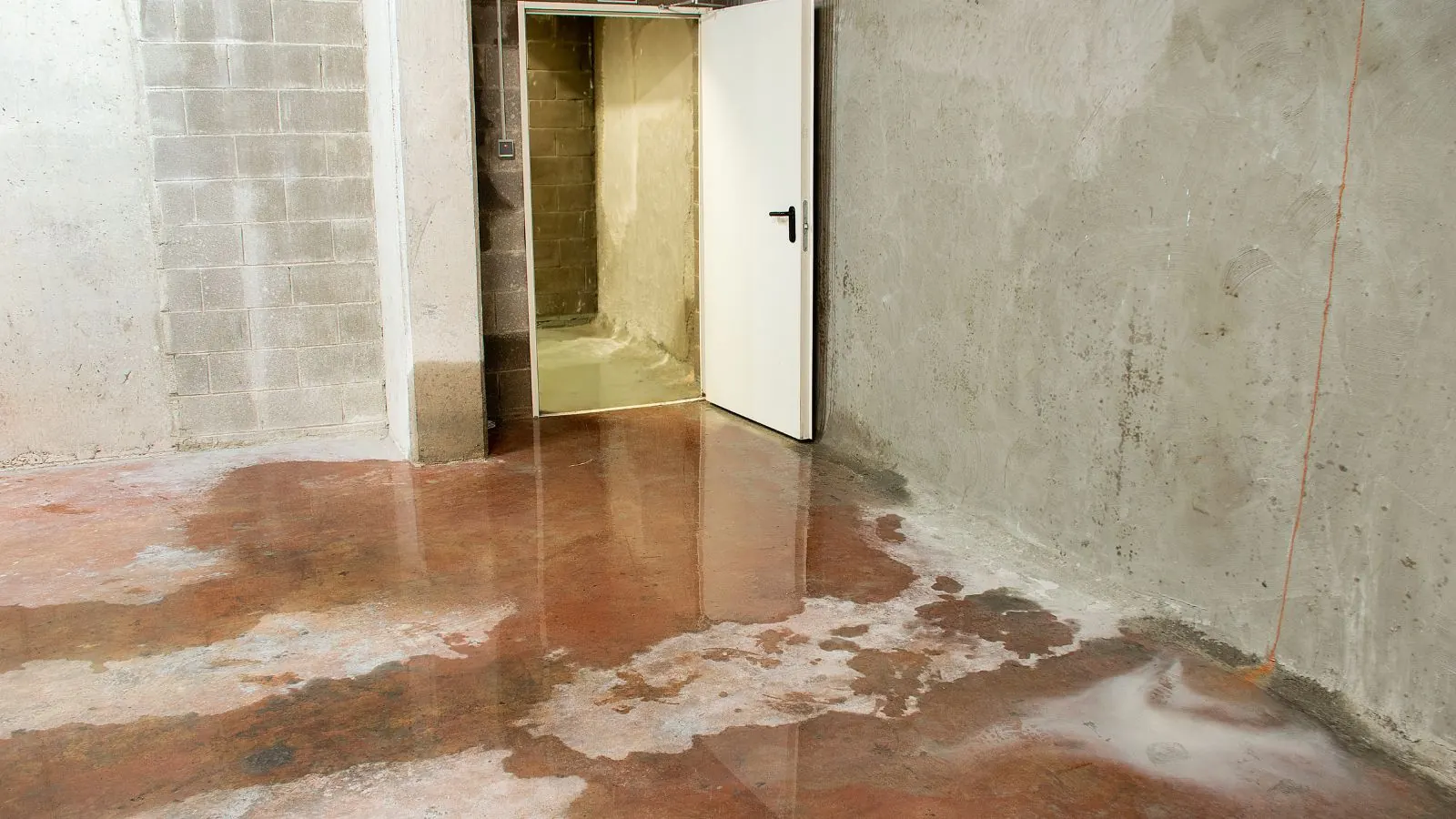
What a slab leak is
A slab leak is a leak in a water line that runs under or inside a concrete foundation slab. The line may be a supply pipe or a drain. Because the pipe is buried, the first signs are indirect. Floors feel damp or warm, water meters spin with all fixtures off, and flooring starts to lift or buckle.
We do not claim that slab leaks are a regular event in Beaverton, and no local count supports one. The mechanism applies to any building on a concrete slab. When a slab leak does happen, the damage can stay hidden for a long time.
When a slab leak is an emergency
Water coming up through the slab, a floor that is warm to the touch or flooring that lifts quickly are signs of an active leak. Call at once, at any hour, and say what the floor is made of.
A hot-water line under a slab can scald. Stay off warm, wet floors. If water reaches outlets or a panel, call 911 or your electric utility before you call us. A plumber must locate and repair the line.
Water still spreading?
The dispatch line answers 24 hours a day. Call and describe what you see.
Signs that water is under the floor
These clues point to a slab leak and not a surface spill.
- A hot spot on a floor from a leaking hot line.
- The sound of running water when everything is off.
- A water meter that moves with all fixtures closed.
- Cracked, lifting or stained flooring over one area.
- A musty odor from carpet or baseboards.
- Unexplained increases in a water bill.
What we do and what a plumber does
Finding and repairing the leak is plumbing work. A plumber uses acoustic and pressure testing to locate the pipe and then repairs or reroutes it. Our work covers the water damage on top of the slab and in the building above it.
Because concrete holds moisture, the slab itself matters. Water in the slab can move upward through flooring over time. Moisture readings of the slab, the subfloor if any, and the bottom of the walls tell the crew how far the water has traveled.
Cleanup and drying steps
A slab leak loss usually follows this order.
- Step 1
Stop the water
Close the main valve. If the leak is on a hot line, a plumber may need to isolate it.
- Step 2
Remove surface water
Extract any water on the floor. See water extraction for the equipment.
- Step 3
Lift wet flooring
Carpet, pad and wood flooring are lifted at the edges to expose the slab and the wall base.
- Step 4
Dry the slab and walls
Air movers and dehumidifiers run until slab and wall readings reach dry targets. Concrete dries more slowly than wood.
- Step 5
Verify
Moisture readings are repeated and recorded at each visit.
Flooring that reacts to slab moisture
Different floors respond differently. Engineered and solid wood floors cup or buckle when moisture rises from below. Laminate swells at the seams. Carpet pad holds water and develops odor. Tile may stay intact while the grout and the subfloor underneath hold water.
For wood floors specifically, see hardwood floor water damage repair. For carpet over a slab, see carpet water damage restoration.
Standards and sources
Drying of slabs, flooring and walls on this page follows ANSI/IICRC S500. Locating and repairing an under-slab line is plumbing work and follows local plumbing code.
Cost factors for slab leak water damage
What sets the price:
- The area of flooring affected.
- The flooring type and whether it can be saved.
- How long the leak ran before it was found.
- The amount of drying time needed for concrete.
- Whether walls and cabinets were reached.
Scope and price are explained before work starts. Many policies treat long-term seepage differently from sudden damage, so ask your insurer how yours applies.
Common questions
Do you handle slab leak emergencies at night or on weekends in Beaverton?
Yes. A leak under the floor does not stop at night. The line answers on nights and weekends. Close the main valve and tell the dispatcher where the floor is wet.
How do I know if I have a slab leak?
Warm floor spots, the sound of running water, a moving water meter or lifting floors are common signs. A plumber can confirm with testing.
Can a slab leak damage walls?
Yes. Water that rises through the slab wicks into the bottom of walls and baseboards.
Do you repair the pipe?
No. A plumber repairs it. We handle the water damage and drying.
How long does concrete take to dry?
Longer than wood. It can take days with equipment, depending on how much water it holds.
Call (833) 521-1033 if water is coming up through your floor. If the leak instead came from a supply line in a wall, read about burst pipe water damage.