

Step 1: Stop the loss and stay safe
Before anything else, stop the water at the source if it is safe. Keep power away from wet areas. Insurers expect you to take reasonable steps to prevent more damage, and they can decline to pay for damage that you let grow.
If you cannot reach a shut-off safely, call for help instead. See water extraction for what removal involves.
Step 2: Photograph before you move anything
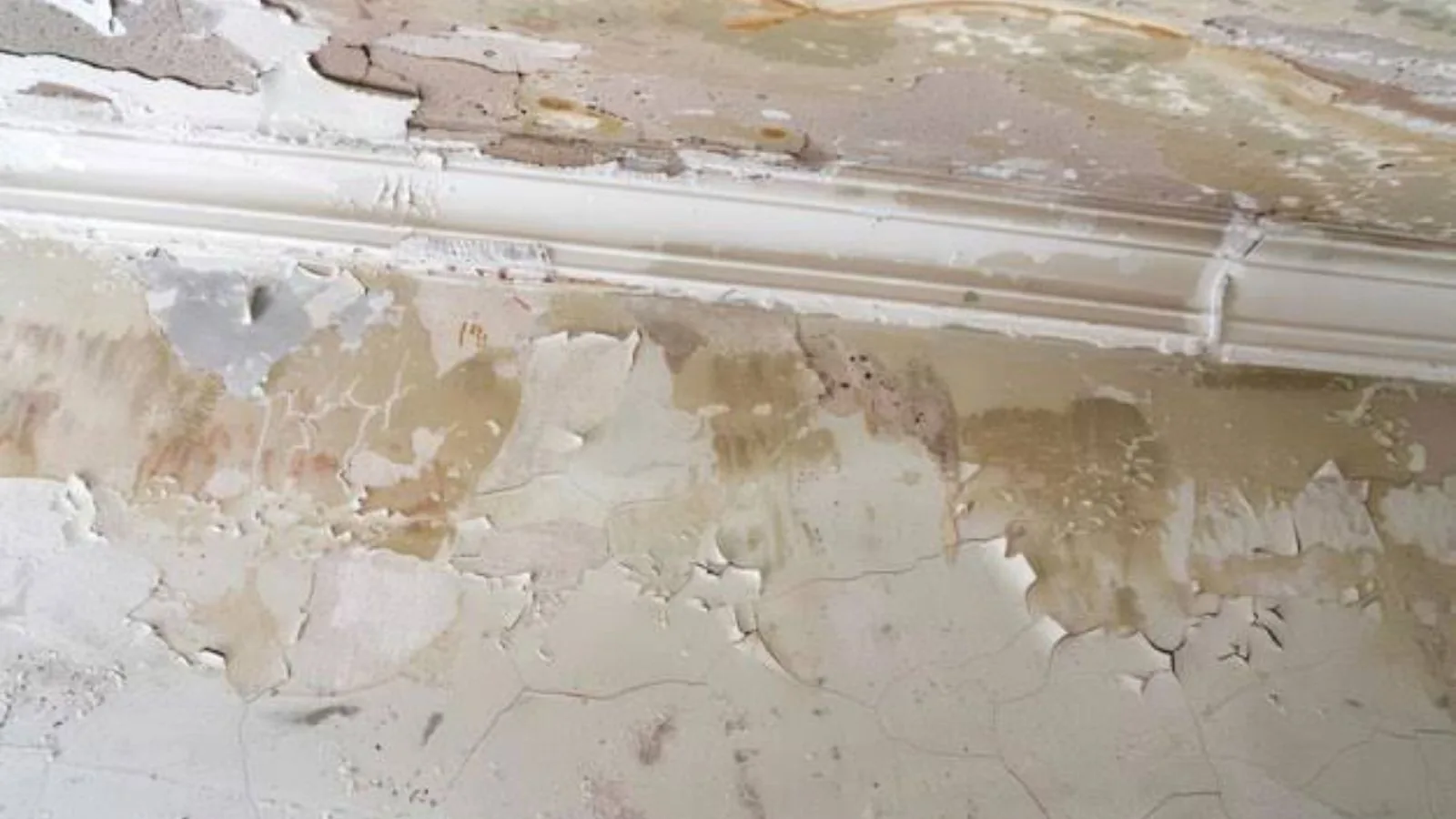
Take wide shots of each room and close shots of damage. Photograph the water line on walls, the source of the leak and any damaged belongings. Include ceilings and floors. Shoot a short video as you walk through.
Photos taken before cleanup are the strongest evidence you can have. Date and time stamps help. Store copies somewhere other than your phone.
Water still spreading?
The dispatch line answers 24 hours a day. Call and describe what you see.
Step 3: Contact your insurer
Call the number on your policy or in your insurer’s app. Note the date, the name of the person you spoke with and any claim number. Ask what the insurer needs from you and whether it wants to inspect before cleanup.
The Oregon Division of Financial Regulation advises you to weigh the claim against your deductible first. A reported claim may affect your premium, and a small loss may cost less than the deductible.
Step 4: Protect the property and keep receipts
Keep records of everything you spend on emergency steps.
- Receipts for tarps, fans, bags and cleaning supplies.
- Invoices for water removal and drying.
- Hotel or temporary housing costs if the home is unlivable.
- Notes of hours spent and who did the work.
Do not make permanent repairs before the insurer has had a chance to inspect, unless the repair is needed to prevent further damage.
Documentation that Beaverton jobs call for
Beaverton has a mix of owner-occupied and rented homes. The 2020 census shows that 52.5 percent of occupied homes in the city are renter-occupied. A tenant should notify the landlord and the renter’s insurer. A landlord should notify the building policy.
After January 2024 ice and wind storms, Washington County declared an emergency. If your loss followed a declared event, mention the date to your insurer and keep records of local weather alerts for that day.
Step 5: Make a list of damaged items
Walk through each room and write down what was damaged. Include a description, the age, the approximate cost to replace and where you bought it, if you know. Keep damaged items until the adjuster has seen them, or photograph them if they must be thrown out.
Electronics, books, rugs and furniture are the items most often forgotten. Attach the list to your claim.
What an adjuster will want to see
An adjuster looks at cause, extent and cost. They want to see where the water came from, how far it spread and what it will take to repair. Good records on each of those points make the process smoother.
Bring the photos, the list of damaged items, the receipts and the moisture logs. If the water came from a failed part, keep the part. If the cause was weather, note the date and time. Write down every phone call and the name of the person you spoke with. These small habits are what separate a quick claim from a slow one.
Keeping a claim file
Create a folder on paper or on your computer. Put the policy, photos, receipts, the list of items, notes about calls and any emails in it. Add the moisture logs when the drying is finished. A neat file shortens the back and forth with the adjuster.
If you speak by phone, follow up with an email that summarizes what was said. That creates a record and helps both sides remember what was agreed.
What to do if the claim is slow
Claims can take time. If you are waiting for an adjuster, keep protecting the property and keep your records. Follow up in writing. Ask what the next step is and when to expect it.
If you think a claim was handled unfairly, the Oregon Division of Financial Regulation takes consumer questions at 888-877-4894. Keep your file organized before you call.
Step 6: Get moisture records from the drying
Drying that is documented is easier to claim than drying that is not. Moisture logs show the starting readings, the equipment used and the readings at each visit. They tell the insurer that the structure reached a dry standard before rebuild began.
Ask for these records when you hire a crew. See structural drying for how the readings are taken. We also serve Hillsboro and Portland with the same records.
Common questions
How long do I have to file a water damage claim?
Policies set their own time limits. Notify your insurer promptly and read the policy.
Should I clean up before the adjuster arrives?
Stop the water and prevent more damage. Photograph first. Keep damaged materials until the adjuster has seen them or been told you must discard them.
Will filing a claim raise my premium?
It can. The Oregon Division of Financial Regulation advises weighing the claim against your deductible first.
Where do I get help with a dispute?
The Oregon Division of Financial Regulation operates a consumer hotline at 888-877-4894.