

Why there is no standard number
A damp rug dries in a day. A wet concrete slab dries slowly. A wall with wet insulation inside it may need several days of equipment. The same amount of water behaves differently in different materials.
Industry practice in ANSI/IICRC S500 asks the technician to set a drying goal for each material and to measure until the goal is reached. That is why a drying job is described in readings and not in hours.
What sets drying time
Five factors matter most.
Material
Drywall and carpet release water quickly. Hardwood, plaster and concrete are slower.
Amount of water
More water takes more time to remove.
Time wet
Materials that sat wet for days absorb more deeply.
Air conditions
Warm, dry air accepts moisture. Cold, humid air does not.
Equipment
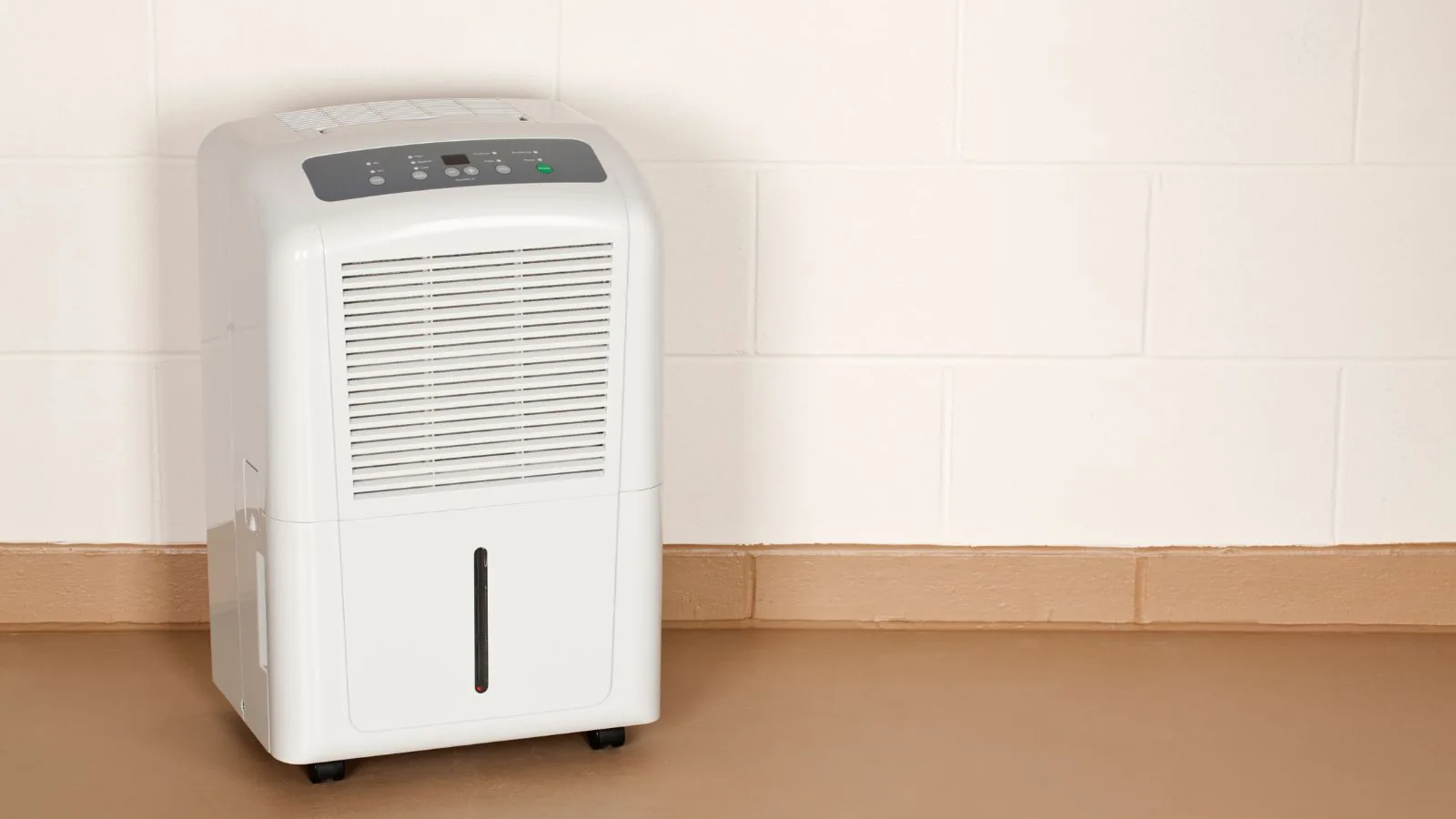
Air movers and dehumidifiers, correctly placed, shorten the time.
Water still spreading?
The dispatch line answers 24 hours a day. Call and describe what you see.
A rough pattern
These are patterns, not promises.
- Day 1
Water is removed
Standing water is pumped and extracted. Equipment is set.
- Day 2 and 3
Surface materials dry
Carpet, drywall surfaces and thin materials approach dry targets.
- Day 3 to 5
Thicker materials dry
Framing, subfloor and wall cavities catch up.
- Later
Slow materials
Hardwood, plaster and concrete may take longer and may need extra equipment.
How the Beaverton climate changes drying
Portland airport records about 37 inches of rain in a typical year, and most of it falls from fall to spring. Outdoor air in those months is humid, so opening windows does not help much. A dehumidifier inside a closed room dries the structure more predictably.
Summer is drier. Drying outdoors or with windows open may work better then, but a measured plan still applies. Crews adapt equipment to the season.
How professionals know it is dry
They take readings with a moisture meter at marked points and compare them with a dry reference from an unaffected area of the same material. They record the numbers at each visit. Equipment stays until the readings reach the goal.
Touch is not reliable. A surface can feel dry while the material underneath holds water. Thermal cameras show cool spots that often mean moisture.
A closer look at slow materials
Some materials give up water slowly. Hardwood floors and solid framing release moisture over days. Plaster and masonry can take longer. Concrete slabs hold water deep inside and release it in a slow trickle.
These materials are why a job can seem to stall after the first few days. Surfaces read dry while the deeper layers continue to release moisture. The crew keeps equipment on until the readings at depth reach the goal, not just the surface.
Ask the right questions
Before drying begins, ask the crew these questions.
- What are the dry goals for each material.
- How many readings will be recorded and how often.
- How many air movers and dehumidifiers are planned.
- What happens if a material does not respond.
- Will I receive the moisture logs when the job ends.
What to expect in the house
Drying equipment is loud and warm. Dehumidifiers raise the room temperature. Air movers blow constantly. Plan for the noise, and ask the crew about sleeping arrangements if a bedroom is affected.
Do not turn equipment off to rest. A stopped unit restarts the clock on moisture that is trying to leave. If a breaker trips, call the crew. Plug units into separate circuits as directed.
Signs that drying is going well
Readings fall at each visit. The smell of damp fades. Condensation on windows lessens. The air in the room feels drier even as the equipment runs. These are good signs. Do not stop early just because the room feels comfortable.
Why drying too fast can cause problems
Heat and strong airflow on a single surface can dry the outside of a material faster than the inside. Wood can crack and cup. Plaster can craze. A measured plan dries evenly, which means the equipment is placed to treat the whole material and not just the visible side.
That is also why a space heater or a hair dryer is a poor tool. It dries a small spot and leaves the rest wet.
What you can do to speed it up
Remove standing water first. Open interior doors and cabinets so air can circulate. Remove wet items that cannot be dried. Keep the heat at a normal level and do not use space heaters near wet materials.
Read about the equipment and method on our structural drying page, and about water removal at water extraction. We also serve Hillsboro and Portland.
Common questions
Can I dry a flooded room myself?
For a thin spill on a hard floor, maybe. For anything that soaked carpet, walls or subfloor, equipment is needed.
Why do the machines run so long?
Moisture inside thick materials leaves slowly. The equipment keeps pulling it out until readings reach the goal.
Is it dry when it feels dry?
Not necessarily. Meters read what touch cannot.
Does the season change drying time?
Yes. Cold, humid air slows drying. Warm, dry air speeds it.